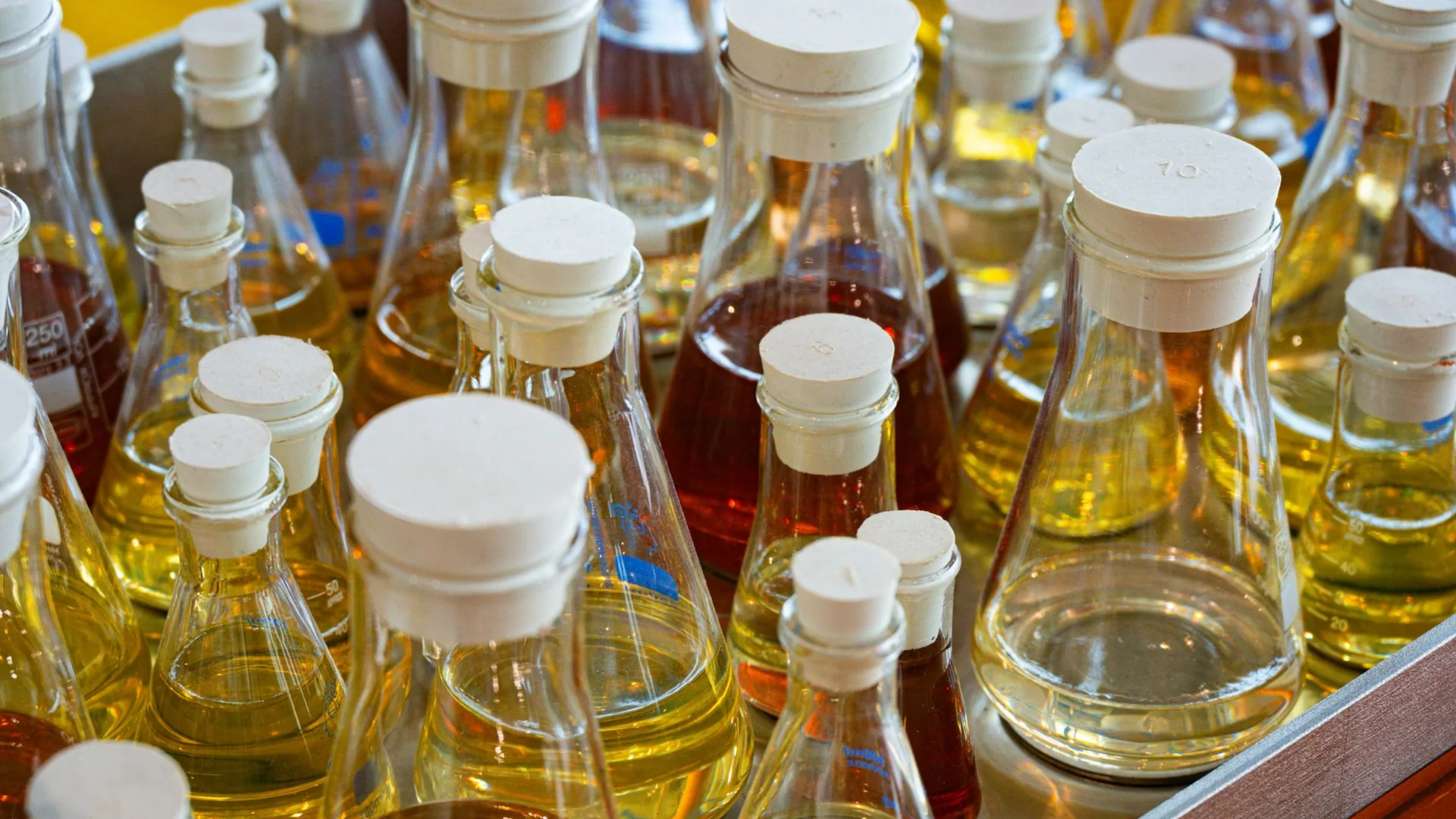
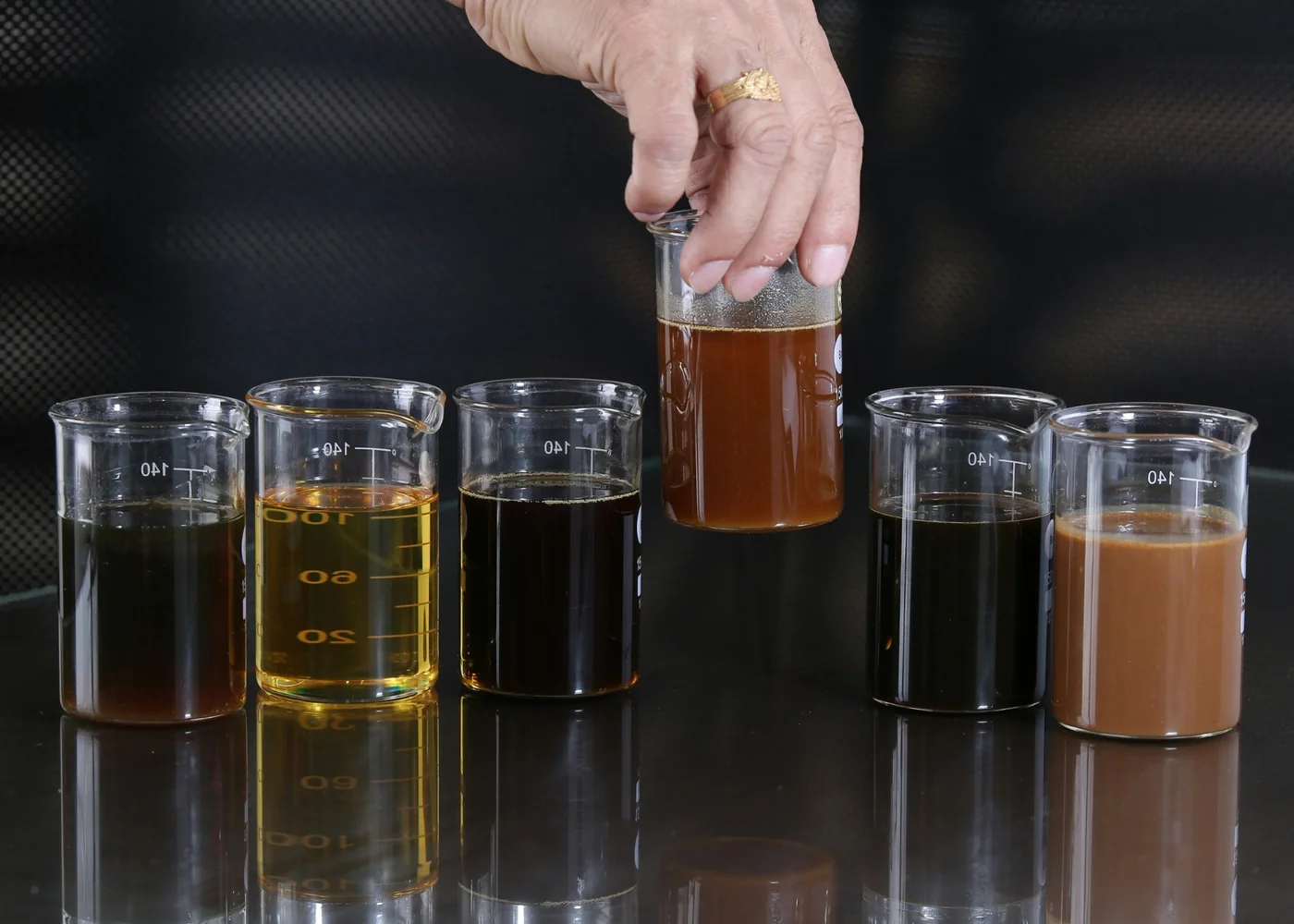
Glass bottles containing recovered cooking-oil samples, illustrating resource recovery
Sustainability at TAYA International Trading

Responsible Recovery. Circular Value.

We recognize the value of recovering Used Cooking Oil and improving its quality through purification. Our sustainability perspective connects responsible sourcing with opportunities for further industrial utilization.

01 / 04
Why Sustainability Matters

Why Used Cooking Oil Sustainability Matters.

Cooking oil has a useful life in food preparation. Once it is no longer appropriate for its original purpose, the way it is handled can determine whether it becomes unmanaged waste material or a recoverable industrial resource.

Used Cooking Oil (UCO) can be collected, aggregated and directed toward suitable downstream applications. These include certain renewable fuel pathways after appropriate processing and subject to applicable requirements.

Responsible sourcing and accurate material information are important because the credibility of a waste-derived supply chain depends on more than the environmental potential of the material itself.

TAYA's perspective is to connect previously used resources with meaningful commercial opportunities through responsible UCO relationships.
Glass vessels holding oil samples, illustrating the recovery potential of used cooking oil
Recovered oil samples · illustrative photo
Our Sustainability Perspective

Four Principles Behind Responsible UCO Trading.

We believe a responsible UCO trading business should consider resource recovery, sourcing practices, material transparency and strong cooperation across the supply chain.

PILLAR 01

Resource Recovery

Encourage the recovery of Used Cooking Oil as a commercial resource that can be considered for appropriate industrial use.

PILLAR 02

Responsible Sourcing

Promote awareness of material origin, handling, business legitimacy and relevant supply requirements.

PILLAR 03

Material Transparency

Recognize the importance of relevant source, quantity, quality and transaction information when evaluating UCO supply.

PILLAR 04

Shared Responsibility

Encourage cooperation between UCO generators, collectors, suppliers, traders and downstream business participants.

The Circular Economy

From Used Cooking Oil to New Resource Value.

A circular approach seeks to preserve useful material value. The following illustrates how UCO may move from its original use toward further industrial utilization.

01

UCO Generation

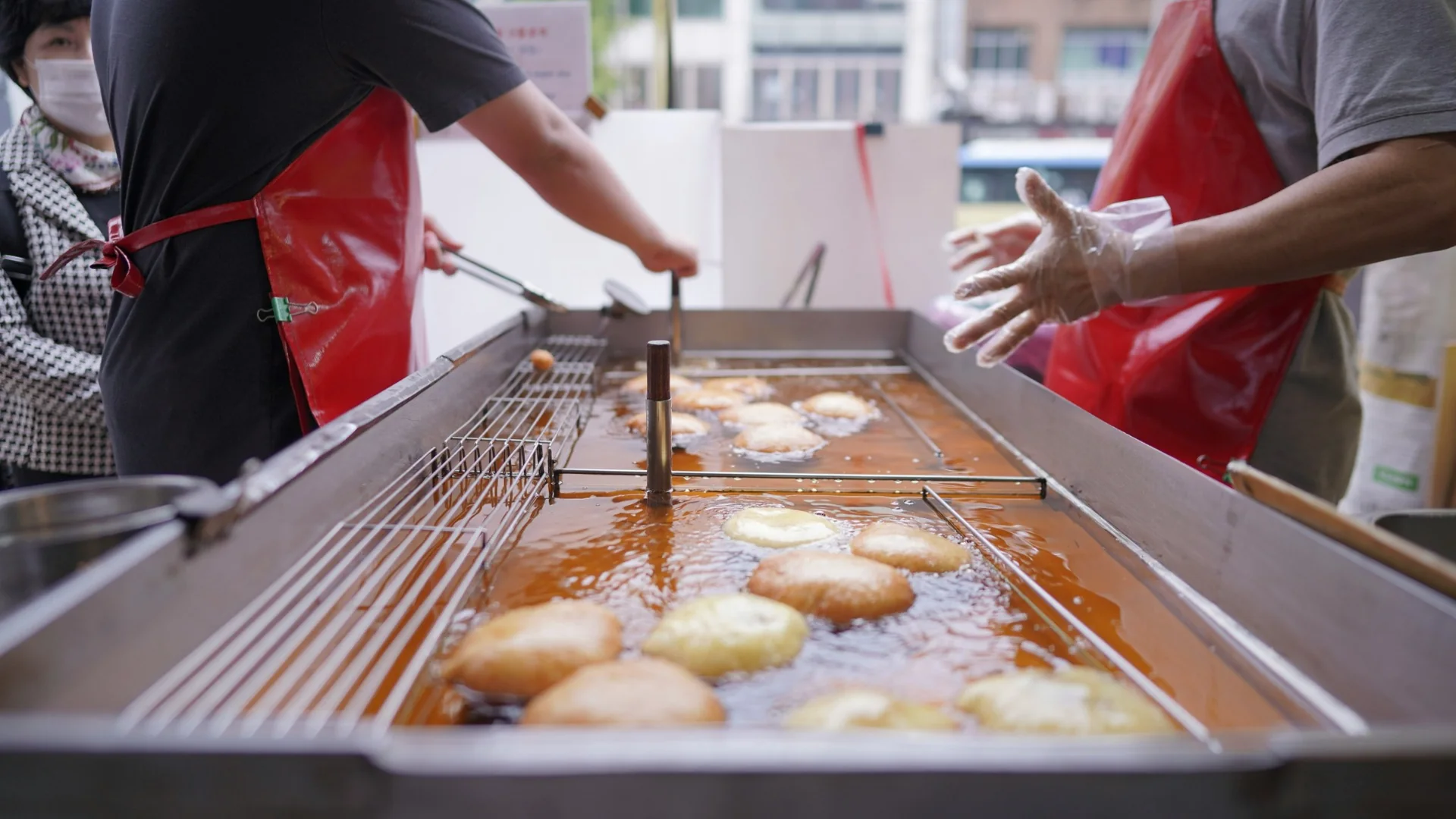
Restaurants, hotels, catering businesses and food producers generate Used Cooking Oil during their operations.

02

Recovery & Collection

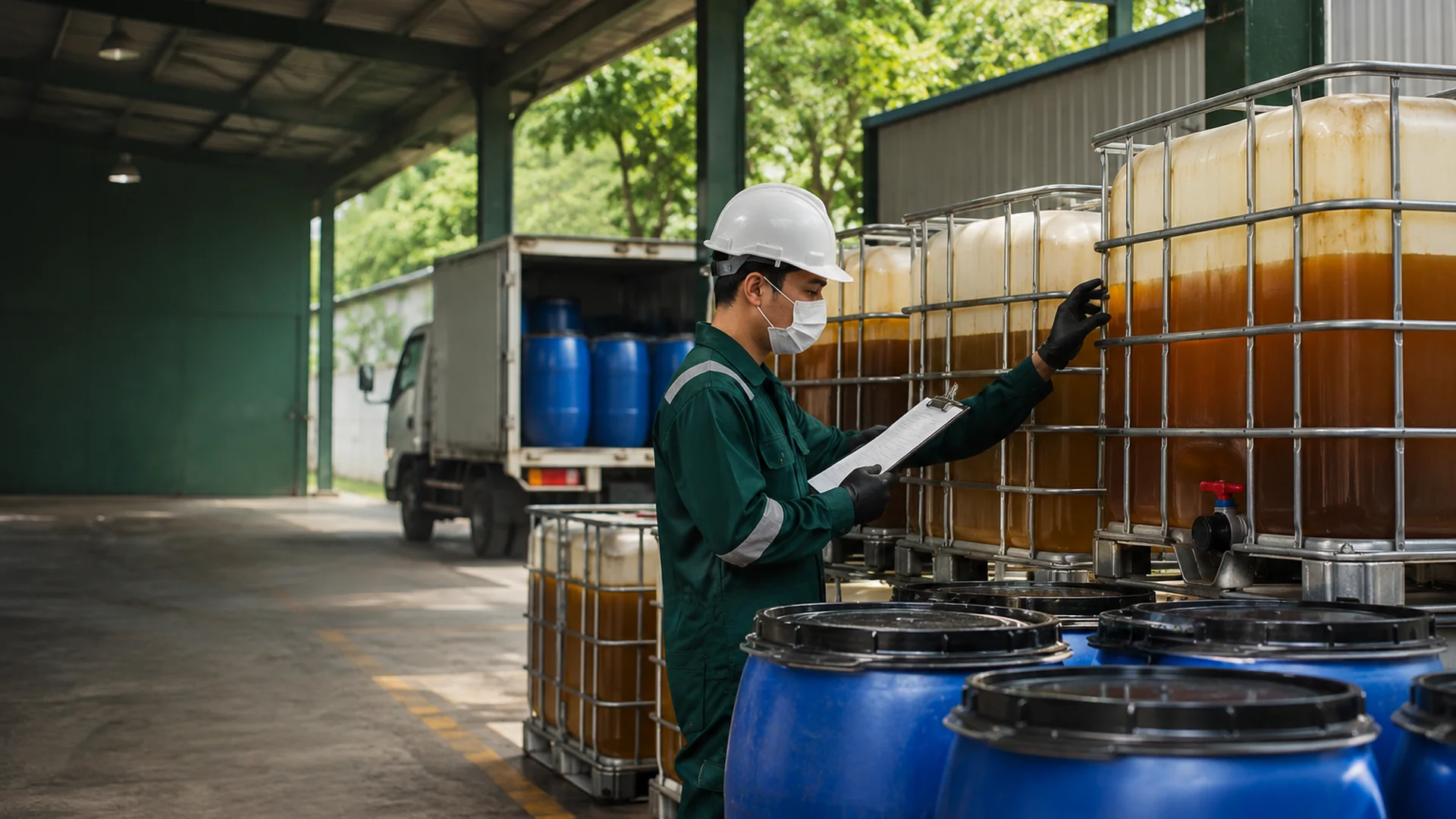
The material can be separated, appropriately stored and collected through suitable recovery channels.

03

Supply & Trading

Collectors, suppliers and traders can connect available UCO with relevant commercial market demand.

04

Quality Improvement

TAYA focuses on reducing moisture and unwanted impurities in sourced UCO to help prepare a cleaner material for further industrial processing.

05

Further Utilization

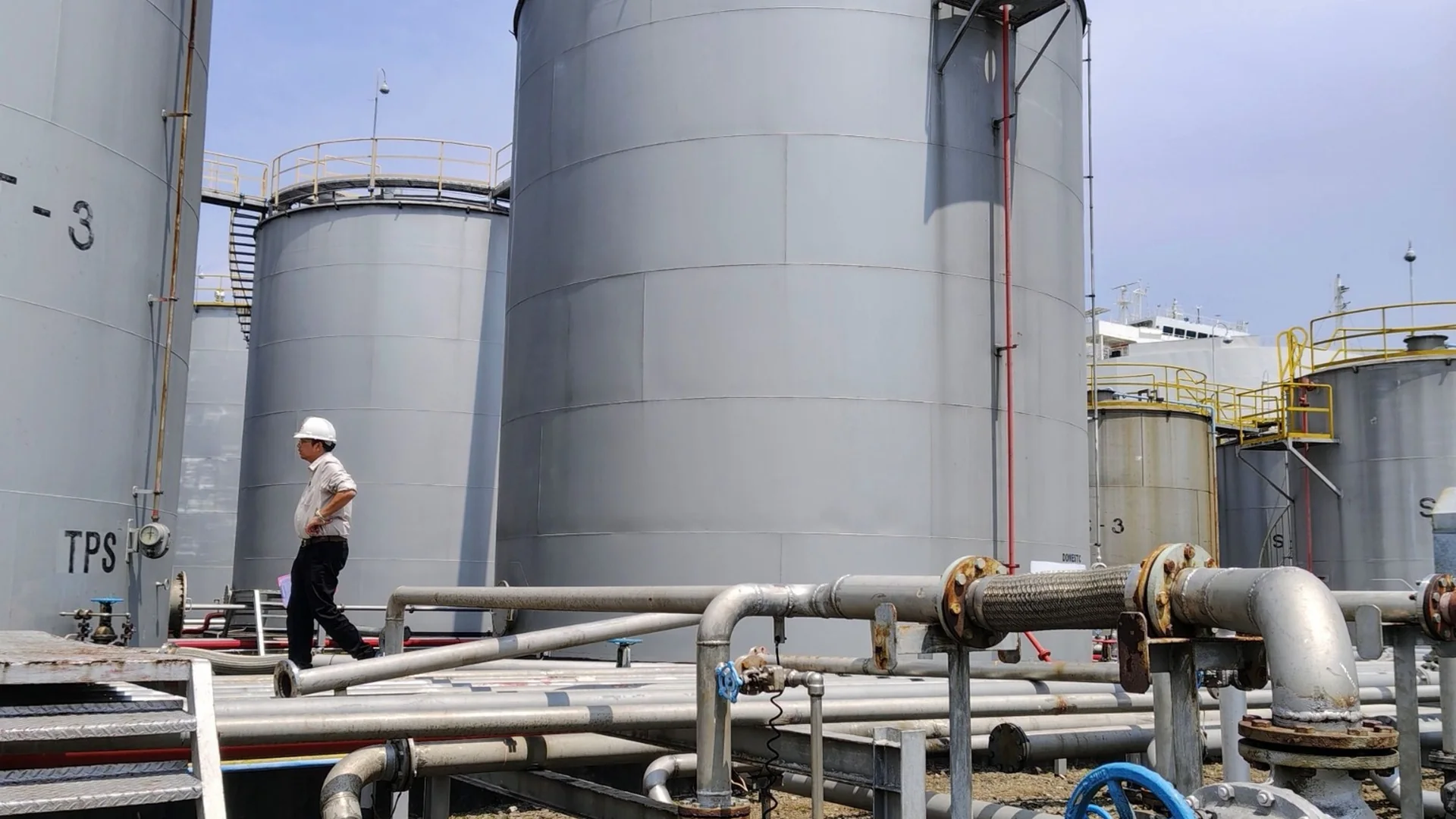
Eligible material may enter suitable downstream processing and industrial applications, depending on quality and requirements.

The steps above describe a potential value chain. They do not imply that TAYA manufactures renewable fuels, operates every collection activity, or verifies the final destination of every UCO transaction.

Responsible Sourcing

Building Greater Visibility Across the Supply Chain.

Sustainability in UCO trading requires attention to the origin and characteristics of materials entering the supply chain.

The information associated with a UCO supply arrangement can help participants evaluate product suitability, transaction requirements and responsible sourcing expectations.

✓ Encourage clear communication about the source of UCO.
✓ Discuss relevant material quality and handling considerations.
✓ Recognize the importance of commercial documentation where applicable.
✓ Support cooperation with responsible supply chain participants.
Business representatives reviewing data and reports as an illustration of responsible material documentation
Supply information review · illustrative photo
Supply Chain Considerations

Information That Matters

Examples of information that may be relevant when discussing UCO trading and sourcing.

Material Origin

Type of generating source, supplier location and available origin information.

Supply Quantity

Estimated volume, available frequency and relevant collection arrangements.

Product Characteristics

Relevant UCO characteristics and available testing or quality information.

Handling Information

Storage methods, separation practices and known handling considerations.

Transaction Records

Applicable commercial documentation and information necessary for specific buyer or market requirements.

Documentation requirements depend on the transaction, supplier capabilities, destination market and applicable laws or standards. This list is an example of good sourcing considerations, not a claim of an audited traceability system.
Environmental Perspective

Understanding the Potential Value of UCO.

Responsible recovery can create opportunities for better use of resources. Actual environmental outcomes depend on the complete collection, processing and utilization pathway.

Reducing Unmanaged Disposal

Suitable collection channels can provide an alternative to inappropriate disposal of used oil and support more organized material recovery.

Supporting Resource Circularity

Recovering a material after its original use can create opportunities for a second productive application within another value chain.

Renewable Feedstock Potential

UCO may be used as feedstock for certain renewable fuel pathways when processed by qualified downstream facilities and when relevant standards are met.

Frequently Asked Questions

Sustainability Questions & Answers.

Learn more about responsible UCO recovery, circular resource use and sustainability considerations in the UCO supply chain.

How does Used Cooking Oil support the circular economy?

Used Cooking Oil may retain value after its original purpose in cooking. Through responsible collection and suitable downstream processing, it may become an industrial feedstock rather than being discarded.

Can UCO help produce renewable fuels?

Yes. Appropriately sourced and processed UCO can be used as feedstock for certain biodiesel, renewable diesel and sustainable aviation fuel production pathways. Suitability depends on technology, quality and applicable requirements.

Is all Used Cooking Oil automatically sustainable?

No. Environmental credibility depends on factors such as genuine waste origin, responsible sourcing, proper handling, documentation and downstream processing. Sustainability should not be assumed solely because a product is labeled UCO.

Why is traceability important in UCO trading?

Traceability can help market participants understand where materials originated, how they moved through the supply chain and whether relevant sourcing requirements are met.

Does TAYA produce biodiesel or SAF?

TAYA's stated business focus is on Used Cooking Oil collection networks, supplier relationships and B2B trading. Renewable fuel production is a potential downstream use of UCO and is not presented here as a TAYA manufacturing service.

How can businesses discuss responsible UCO supply with TAYA?

Businesses can share their UCO source, location, available volume, supply frequency and relevant material information. Contact TAYA through our Contact Us page to discuss potential cooperation.

Build a Responsible Supply Chain

Let's Create Lasting Value From UCO.

Are you a restaurant, hotel, catering operator, UCO collector, bulk supplier or potential business partner? Connect with PT TAYA International Trading to explore responsible supply and trading opportunities.

Scroll to Top